A Lucky Shirt Cannot Call the Result
A lucky shirt can steady your matchday routine without predicting the result. Learn how to keep the ritual meaningful and the game in perspective.
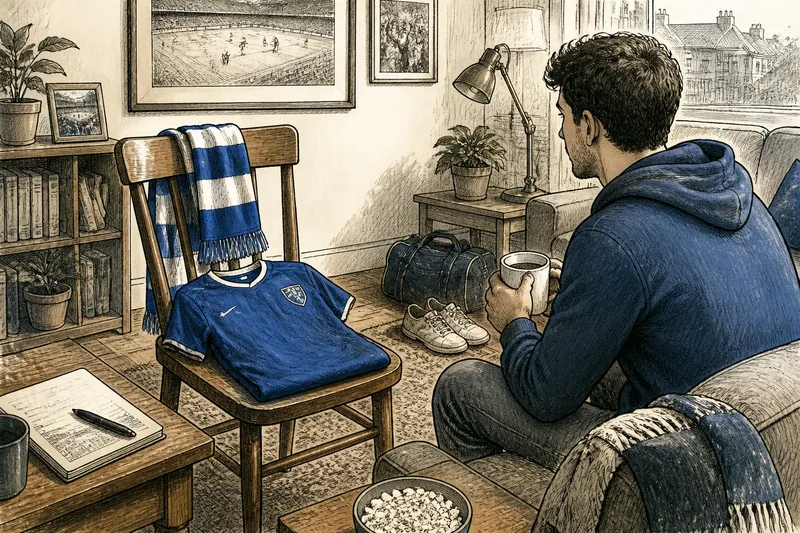
You pull the same shirt from the back of the drawer, smooth its creases, and put it on before the team takes the field. If the last match ended well, the shirt may feel like part of the reason. A lucky shirt can shape your matchday experience, but it cannot call the result.
The useful distinction is simple: a ritual is something you do to give the occasion a familiar shape; a prediction is a claim about what will happen. Keep those ideas separate, and you can enjoy a lucky shirt without asking it to carry the game.
What does your lucky shirt mean to you?
Start by identifying what the shirt represents before deciding what to do with the belief around it. It may be a club shirt, a faded replica, or an ordinary garment that happened to be on your back during a memorable win. Its meaning can come from the match, the people you watched with, or the routine of getting ready.
Ask yourself a few concrete questions:
- Do you wear it because it connects you to the team?
- Does putting it on mark the shift from an ordinary day to matchday?
- Does it remind you of a particular person, place, or shared occasion?
- Do you feel uneasy if it is unavailable?
The answers help distinguish affection from pressure. A keepsake can carry a real personal history without having any influence over play. The shirt’s connection to your memories is yours; the players’ decisions and the unpredictable course of a match are not controlled by it.
Say you own a blue scarf that you wore while watching a late comeback with your sister. You decide to wrap it around your shoulders on matchdays because it reminds you of that evening and gives your routine a familiar start. The expected result is a personal cue that helps you settle into watching—not a change in how the team performs.
How can you make the ritual yours?
Choose a small action that gives the shirt a clear place in your routine. You might lay it out before leaving, fold it over a chair, or put it on after you have finished your ordinary errands. Keep the action practical and comfortable. A ritual does not need a complicated sequence to feel distinctive.
Give the shirt a meaning you can stand behind even when the team loses. “This is what I like to wear while I watch” is sturdy. “The team has to win because I wore this” ties an ordinary choice to something outside your control. You do not need to ban playful superstitions; just avoid treating them as obligations or evidence.
Decide what you will do if the shirt is in the wash or the weather makes it unsuitable. Pick a comfortable substitute, such as another club top or a plain layer in the team’s colors. Having an option keeps one missing garment from becoming a matchday problem. It also makes clear that the ritual is a chosen expression, not a rule the result depends on.
It is not worth the effort to rebuild an entire routine around tiny changes in the shirt’s condition, position, or order of dressing. If the garment is clean and comfortable, that is enough. Repeating a fussy sequence can draw attention away from the match and make an enjoyable habit feel like work.
What should you notice during the game?
Once play begins, notice the difference between what the shirt means to you and what happens on the field. You can enjoy the familiar feel of the fabric, the colors, or a memory it brings back. Then let your attention return to the actual match: the movement of the players, the crowd’s response, and the decisions unfolding in front of you.
A win after wearing the shirt can make the association feel persuasive. A loss can make you wonder whether you wore it incorrectly or whether you should change something next time. Neither reaction turns the garment into a reliable signal. People naturally remember vivid matches and memorable details; the routine can feel linked to the result even though it does not control it.
When you catch yourself assigning the shirt credit or blame, use a neutral description: “I wore it, and the team won,” or, “I wore it, and the team lost.” That phrasing preserves what happened without adding a cause. You can still enjoy the coincidence. You simply do not have to treat it as a forecast.
Be especially careful not to use a lucky item to explain every outcome. A team’s result depends on the game itself, including performance, decisions, and circumstances that spectators cannot fully control. The shirt can be part of your experience as a supporter; it is not a substitute for watching what actually happens.
How do you keep the ritual light?
Check whether the habit still feels enjoyable. A relaxed ritual can make a match feel set apart from the rest of the day. If you become anxious when you cannot wear the item, spend time trying to correct the routine, or feel responsible for a loss, loosen the connection. Choose another comfortable garment, skip the ritual, or remind yourself that the result is not yours to produce.
If friends share the superstition, keep the tone generous. One person may find it fun to insist that a particular scarf must appear; another may prefer not to treat clothing as a condition for winning. You can join the joke without pressing anyone to follow it. Shared rituals work best when people can take part by choice.
Store the shirt as you would any garment you value. Follow its care label, avoid wearing it when conditions make it impractical, and mend or retire it when needed. If it is too delicate for the stands, wear it at home or keep it folded with other keepsakes. Its significance does not depend on exposing it to every matchday.
What do supporters ask about lucky shirts?
Does wearing a lucky shirt help a team win?
A shirt does not determine what players do or predict the final result. It can help you feel connected to the match, which is a personal effect rather than a sporting advantage.
Should I keep wearing it after a loss?
Wear it again if you enjoy the connection or the routine. You do not need to discard it, wash away a supposed bad result, or change your clothing to make the next match turn out differently.
What if I feel nervous when I cannot find it?
Choose a substitute or watch without it, and remind yourself that the team’s result is not your responsibility. If the worry keeps interfering with ordinary activities or causes substantial distress, consider speaking with a qualified mental health professional.
Can a lucky shirt still be meaningful?
Yes. It can represent a memory, a relationship, or the pleasure of supporting a team. Meaning comes from the role it has in your life, not from its ability to predict a score.
What can the shirt carry instead?
Keep the ritual, if you want it, as a small act of recognition: you are making room for a game you care about. Let the shirt carry memories, team colors, and the comfort of a familiar routine. Let the result belong to the match.
That boundary leaves you free to wear the garment after a win, after a loss, or when no game is on at all. A lucky shirt cannot call the result, but it can still make matchday feel like yours.